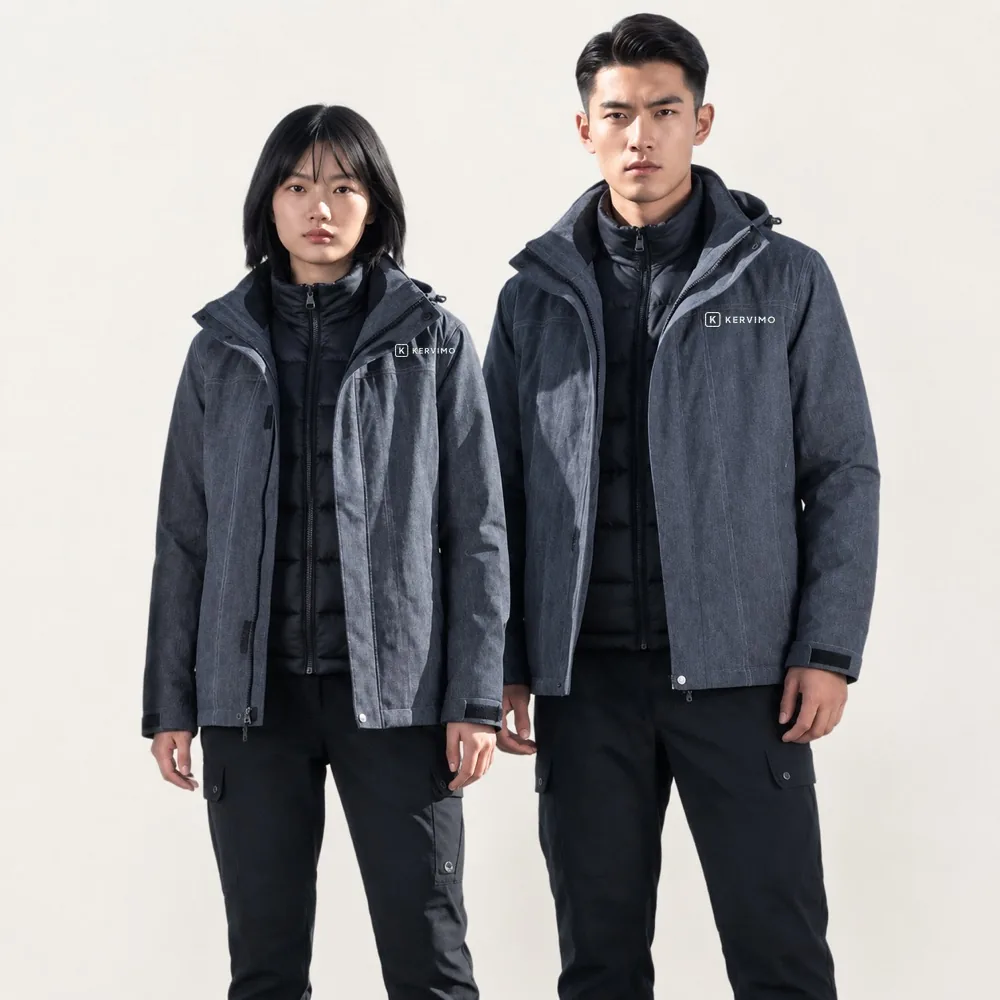
Fall and winter workwear should be specified by exposure, activity and required layering—not by season name alone. A team moving between a heated office, a loading bay and outdoor service calls may need different garments even when everyone shares the same brand colors.
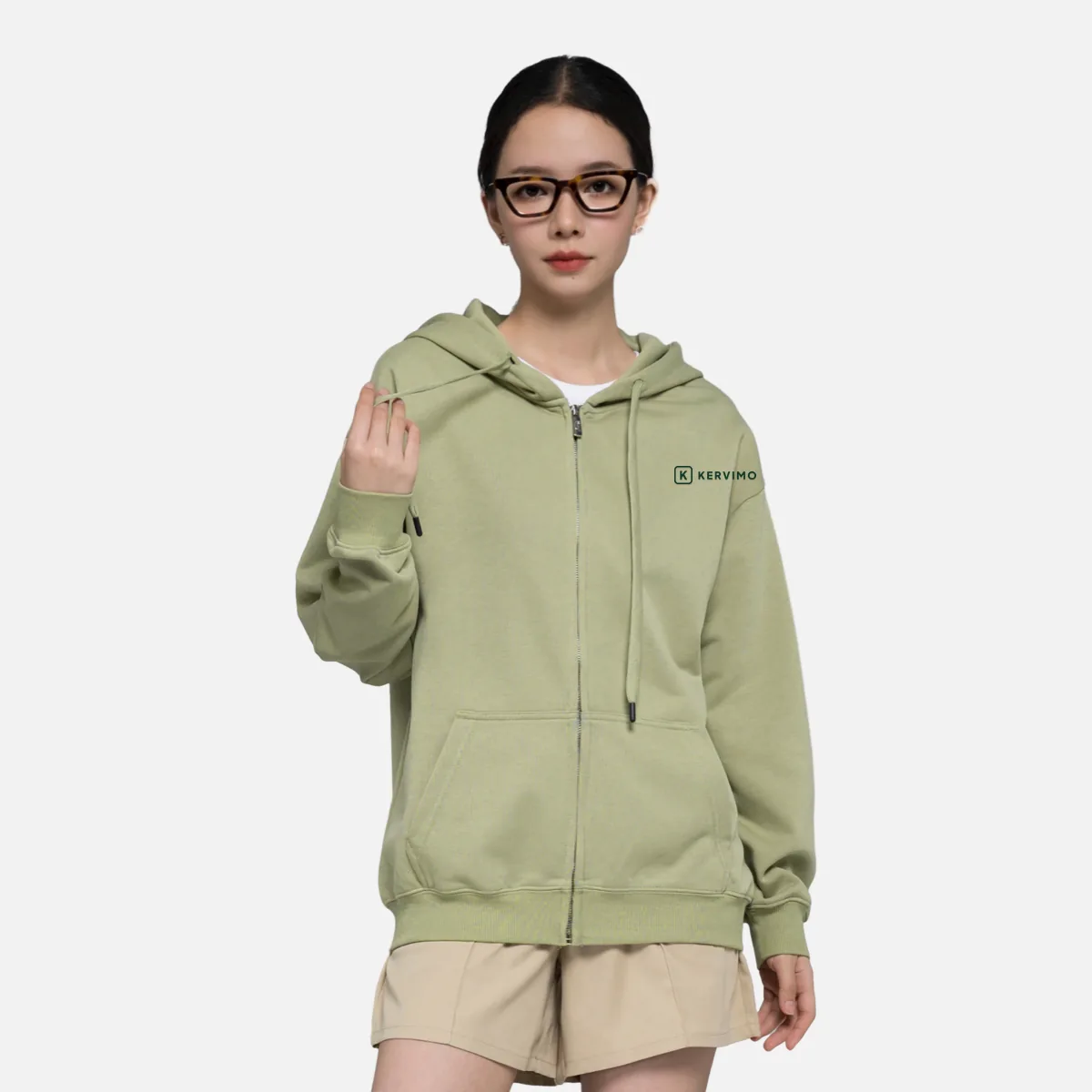
Classify the work environment first
| Exposure | Questions for the buyer | Garment direction |
|---|---|---|
| Mostly indoors | Is the space consistently heated? Will staff move between departments? | A polo or work shirt with an optional zip layer may be sufficient. |
| Repeated indoor–outdoor movement | How long is each outdoor interval? Is rain or wind part of the task? | Plan a base garment plus a suitable outer layer; confirm the exact product rating. |
| Regular outdoor work | What temperature, precipitation and job hazards apply? | Specify the required protective standard first, then shortlist documented products. |
Clothing does not replace required PPE. If the role has a formal safety requirement, ask for the applicable standard and supporting documentation; do not infer protection from a product name or appearance.
Use catalog examples with limits clearly stated
For a lighter shared team layer, the Heavyweight Terry Zip Hoodie is listed in KERVIMO’s zip sweatshirt range. The supplied product information describes combed fabric, a concealed zip detail and a smooth hand feel, but does not give a confirmed thermal rating in the article source. Treat it as a style to sample, not as a guaranteed cold-weather protection garment.
For more exposed settings, the catalog includes down-insulated outerwear examples. The F-8010 listing names a hard-shell jacket, detachable hood and catalog ratings of waterproof 8000 / breathability 5000+. The F-3002 listing names a down-insulated hard-shell jacket and ratings of waterproof 10000 / breathability 6000+, with heat-sealed seams. These are catalog-listed figures, not a substitute for a current test report or job-specific safety approval. Ask for the exact model specification and confirm the unit and test method before relying on a rating.
Check the complete layer combination
Test the outer garment over the base layer the employee will actually wear. Check sleeve reach, shoulder movement, closure, hem coverage and whether a hood or collar interferes with the task. A shell that fits over a polo may feel restrictive over a thick sweatshirt. Record each style’s size split separately; the same employee may need different sizes across products.
For teams that move among tasks, specify when each layer is worn. For example, an indoor customer-service group may use a 68001 polo as its base while outdoor support staff add an approved shell. Keep the logo system consistent, but place branding where it remains visible on the chosen layer. Confirm every garment’s decoration method independently.
Plan timing and sample approval
Collect the role list, destination, product mix and size quantities before requesting a bulk schedule. KERVIMO dispatches paid branded samples within 15 days. Bulk production and shipping dates are separate from the sample window and are listed in the written quote for the selected styles, logo methods, quantities and destination. Set the staff issue date using the quoted arrival date.
Cold-weather uniform brief
- Work location, indoor/outdoor split and expected exposure
- Required safety standard or weather performance, if applicable
- Base garment and outer-layer model for each role
- Size breakdown tested over the intended layers
- Artwork placement, sample approval and written in-hand date
Compare the KERVIMO workwear catalog and send the exposure profile, product links and target date in a project inquiry.
Frequently asked questions
Is a heavyweight hoodie enough for winter work?
That depends on exposure and the product specification. The catalog lists the hoodie as a zip sweatshirt; it does not establish a weather or safety rating. Use it only where the sampled garment suits the actual conditions.
How are bulk production and shipping dates set?
KERVIMO dispatches paid branded samples within 15 days. Bulk production and shipping dates are listed separately in the written quote for the selected styles, logo methods, quantities and destination.